
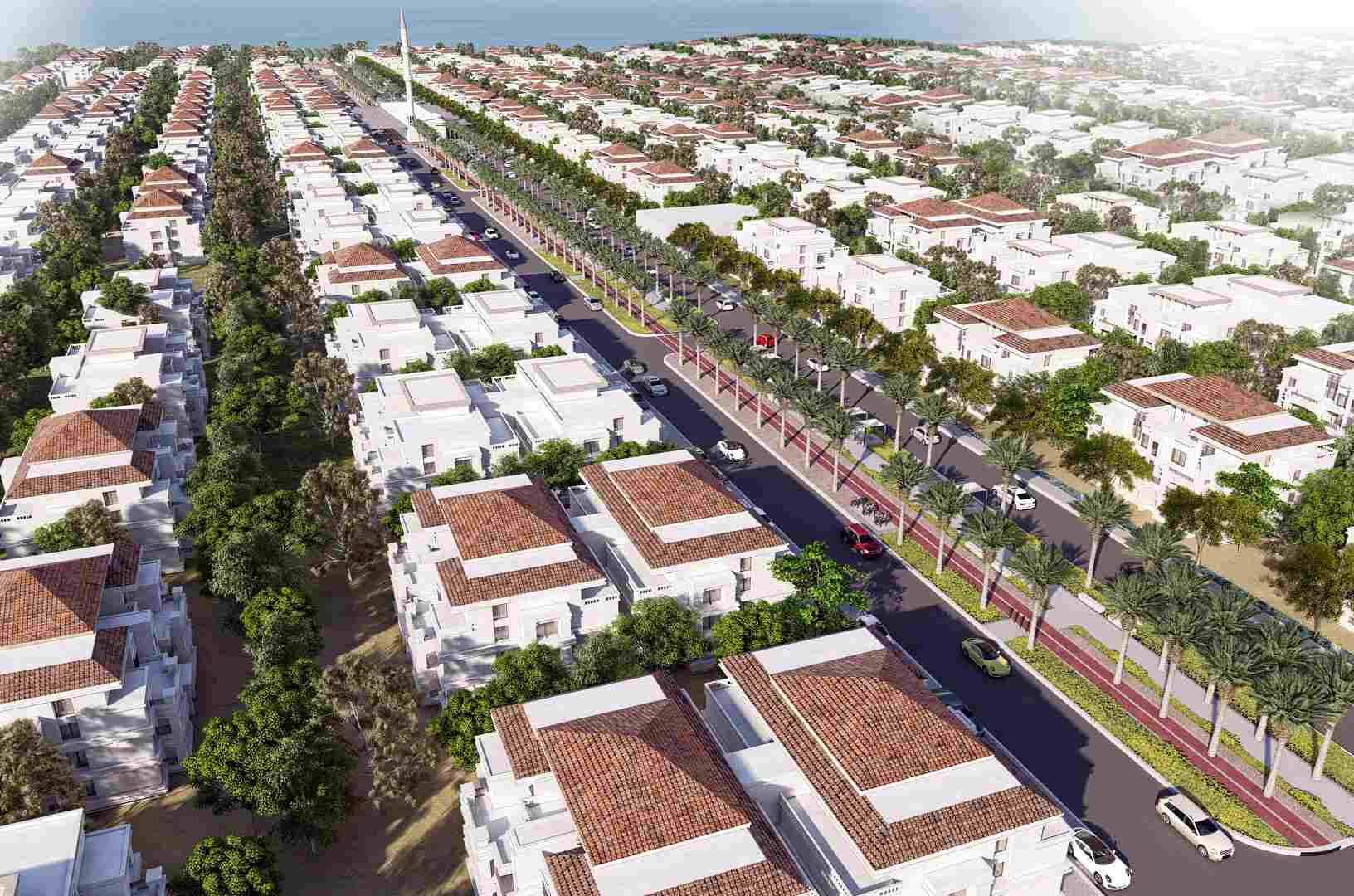
Landscape architecture for real estate developers is most effective when it begins long before construction starts. When landscape architects are involved from the earliest stages of a development, landscape can be coordinated with architecture, infrastructure, circulation, open spaces, and the overall development vision — rather than being treated as a final layer.
1. It Helps Developers Make Better Early-Stage Decisions
Landscape architecture for real estate developers can influence important decisions well before construction begins.
The location and character of open spaces, pedestrian routes, gathering areas, recreational facilities, planting strategies, and outdoor amenities can all affect how a development functions and how people experience it. By involving landscape architects early, developers can evaluate these elements alongside architecture, infrastructure, and other project requirements instead of trying to fit them into a predetermined layout later.
This can create better coordination across the development team and help identify opportunities and constraints before they become costly changes. For developers, the objective is not simply to create attractive green spaces. It is to ensure that landscape contributes meaningfully to the overall development strategy.
2. It Creates a Stronger Development Identity
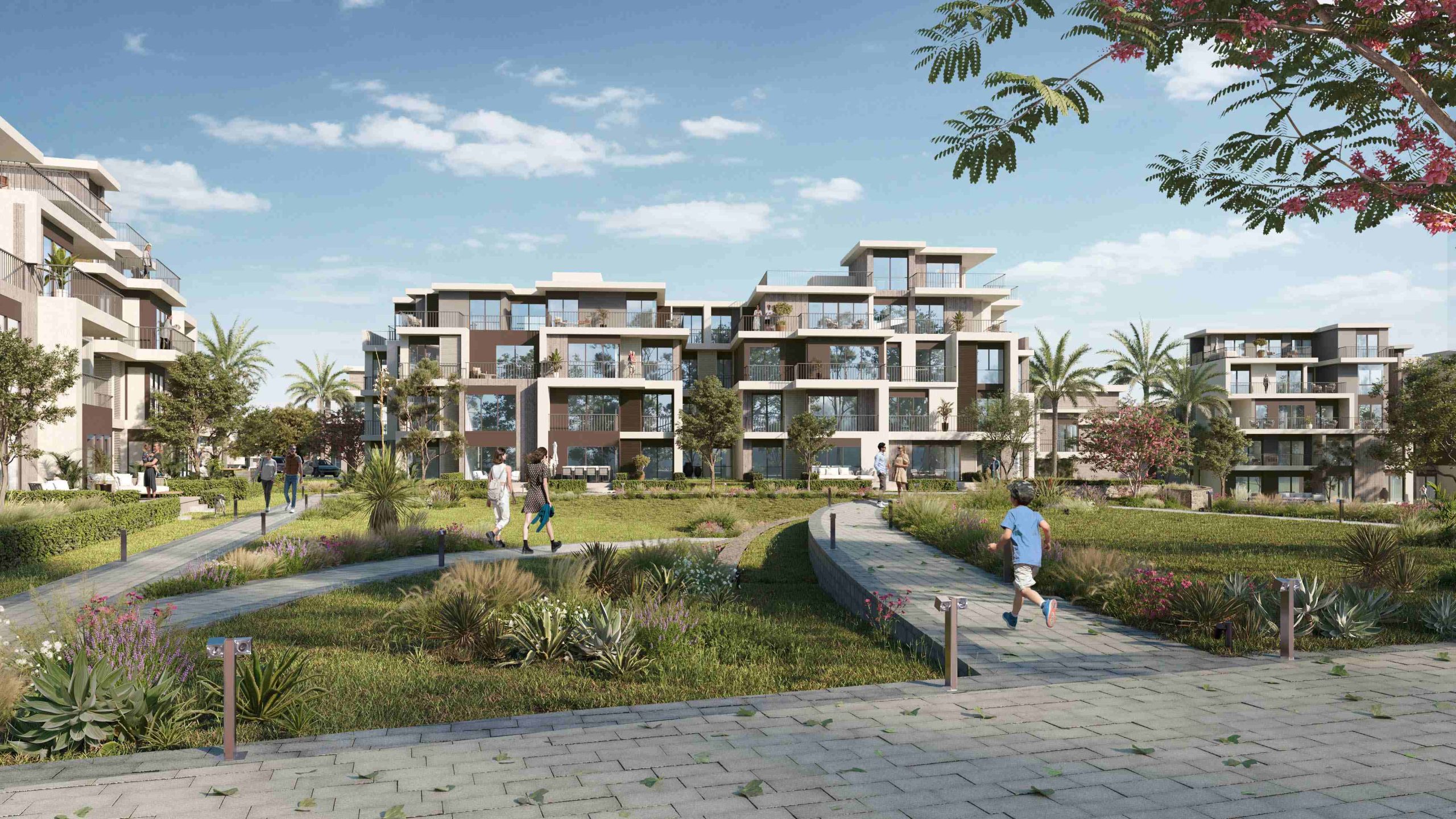
In competitive real estate markets, a distinctive identity can make a development more memorable. Buildings are only one part of the experience. People also interact with the spaces between them: entrances, streets, plazas, parks, courtyards, promenades, recreational areas, and gathering spaces.
Landscape architecture for real estate developers brings these elements together into a coherent visual and experiential identity. Planting, materials, shade, topography, water elements, outdoor amenities, and pedestrian spaces can all contribute to how a project is perceived. A strong landscape strategy can therefore help developments move beyond simply providing buildings and amenities toward creating a recognizable sense of place.
3. It Improves the Experience of Residents, Visitors, and Users
The quality of outdoor spaces has a direct relationship with how people experience a development. Well-planned landscapes can provide opportunities for walking, gathering, recreation, relaxation, and social interaction. They can also help create clearer connections between buildings and amenities.
For residential developments, this can contribute to the everyday experience of residents. For hospitality and mixed-use projects, landscape can shape arrival sequences, outdoor dining, recreation, public spaces, and the overall guest experience. This makes strategic landscape integration an essential part of placemaking rather than simply an aesthetic addition.
4. It Supports More Sustainable and Climate-Responsive Development
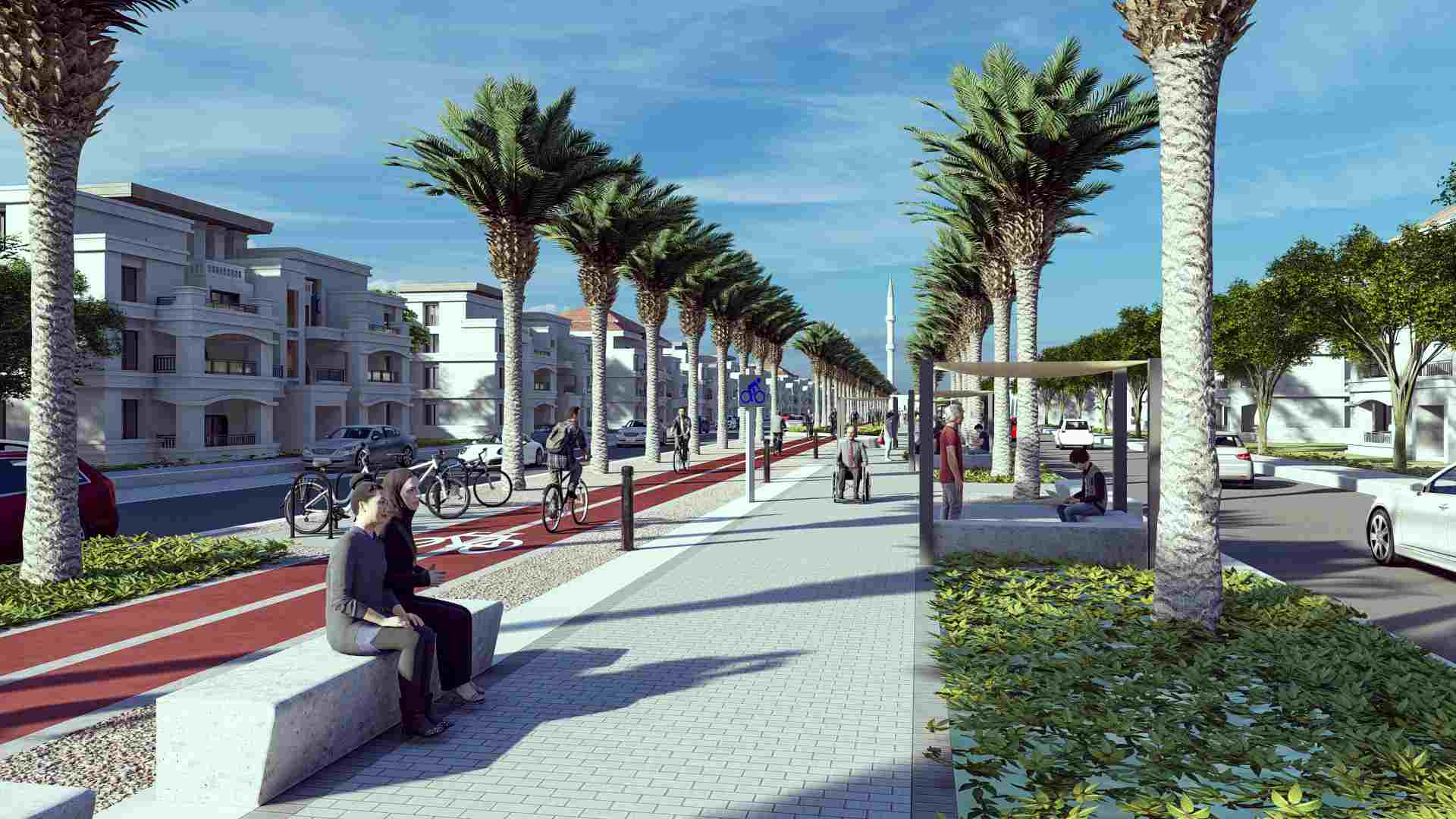
Real estate development increasingly requires consideration of environmental performance and climate resilience. Through landscape architecture for real estate developers, environmental strategies integrate directly into the spatial design of a project, depending on its location, climate, regulations, and technical requirements.
These strategies may include:
-
Climate-responsive planting
-
Efficient irrigation
-
Water-sensitive landscape strategies
-
Shading and thermal-comfort measures
-
Green corridors and ecological connections
-
Biodiversity-supporting landscapes
-
Integration of existing natural features
-
Sustainable approaches to open-space planning
The Landscape Institute highlights the role of landscape-led development in creating more resilient places while contributing to environmental, social, and economic outcomes.
The important point for developers is that sustainability should be considered as part of the project’s design strategy rather than added as an isolated feature at the end.
5. It Can Contribute to Long-Term Development Value
Landscape architecture should be viewed as a long-term investment in the quality and performance of a development.
High-quality outdoor environments can strengthen a project’s identity, improve user experience, support placemaking, and contribute to market differentiation.
Research compiled by the Landscape Institute also identifies economic and property-value benefits associated with landscape-integrated development in specific contexts. However, these outcomes vary according to location, project type, market conditions, design quality, execution, and long-term management.
For developers, the stronger takeaway is that landscape can contribute to the overall desirability and quality of a project when it is properly integrated into the development strategy.
6. It Strengthens Coordination Between Landscape Architecture, Master Planning, and Urban Design
Landscape architecture does not exist in isolation.
For a large-scale development, the relationship between buildings, streets, public spaces, pedestrian routes, green areas, and amenities needs to be considered as a whole.
This is where landscape architecture connects with master planning and urban design.
Early coordination can help establish stronger relationships between built and open spaces, improve pedestrian connectivity, define public and private areas, and create a more coherent spatial experience.
At Schaduf Landscape Architects, our expertise spans Landscape Architecture, Master Planning, and Urban Design, allowing these disciplines to work together according to each project’s specific requirements.
7. It Reduces the Risk of Treating Landscape as an Afterthought
One of the most common challenges in development is introducing landscape decisions after major planning and design choices have already been established. At that stage, opportunities may be limited by building footprints, infrastructure, utilities, circulation, or previously defined spaces.
Early involvement gives landscape experts a greater opportunity to understand site opportunities and constraints. Implementing landscape architecture for real estate developers from day one ensures that landscape has a seat at the table from the beginning, turning green infrastructure into a high-yield strategic asset.
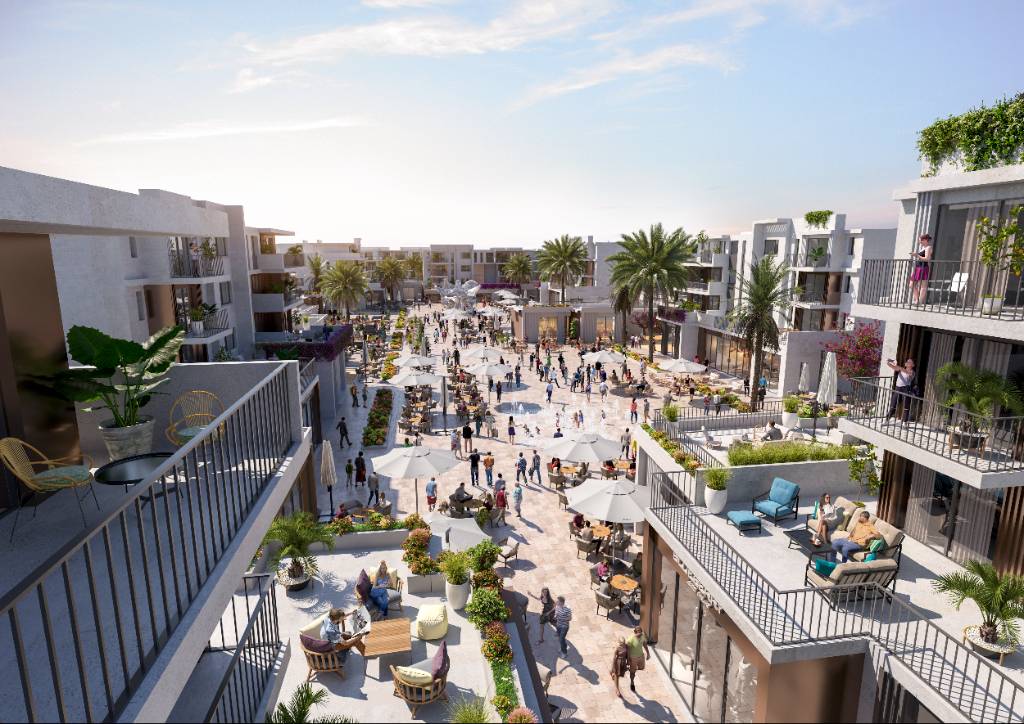
Why Real Estate Developers Should Involve Landscape Architects Early
Landscape architecture for real estate developers is most effective when it is considered as part of the development process rather than as a finishing layer.
Early landscape involvement can help developers create stronger project identities, improve outdoor experiences, coordinate open spaces with the wider development strategy, and respond more effectively to environmental and site-specific considerations.
At Schaduf Landscape Architects, we work across Landscape Architecture, Master Planning, and Urban Design to create considered environments for large-scale developments.
Our portfolio includes projects across residential, hospitality, commercial, recreational, and mixed-use environments, where the relationship between built form, landscape, movement, and place is central to the design process.
For developers planning a new community, resort, mixed-use destination, or urban development, bringing landscape architects into the process early can turn landscape from a final consideration into a strategic component of the project.
The strongest developments do not simply place buildings within a landscape. They consider the relationship between architecture, people, and place from the very beginning.
Planning Your Next Development?
Explore Schaduf Landscape Architects’ portfolio and discover how our team approaches complex development environments through integrated landscape design and planning.