
Schaduf Landscape Architects is more than a landscape consultancy. With an interdisciplinary approach that merges landscape architecture, urban planning, and master planning, Schaduf designs environments that enhance communities, prioritize sustainability, and integrate nature into the built world.
Urban landscaping today is not simply about creating attractive outdoor spaces. It is about shaping how cities function — ecologically, socially, and economically. The most impactful urban landscapes are those designed to perform: managing water, supporting biodiversity, moderating climate, and creating environments where people genuinely want to spend time.
This is the discipline that Schaduf Landscape Architects brings to every project — across landscape architecture, master planning, and urban design.
A Vision Rooted in Sustainability and Urban Landscaping
At Schaduf, landscape architecture is not about aesthetics alone. It is about functionality, environmental responsibility, and long-term resilience. Every project is guided by a deep understanding of ecological systems, cultural identity, and urban dynamics — ensuring that the landscapes we design are not just beautiful on completion, but coherent and durable over time.
The case for this approach is well established in the research literature. The Landscape Institute has documented that landscape-led urban development produces stronger ecological outcomes, more coherent public realm, and greater community wellbeing than developments where landscape is treated as a finishing layer. UNEP’s work on nature-based solutions confirms that urban green infrastructure — when planned as an integrated system — delivers measurable benefits across heat mitigation, water management, air quality, and biodiversity that isolated green elements cannot match.
Schaduf’s approach to urban landscaping embeds these principles into every stage of the design process — from the first site analysis through to construction documentation and site supervision.
Schaduf designs vibrant, sustainable outdoor spaces that enhance well-being and strengthen the relationship between people and nature — shaping cities with nature at their core.
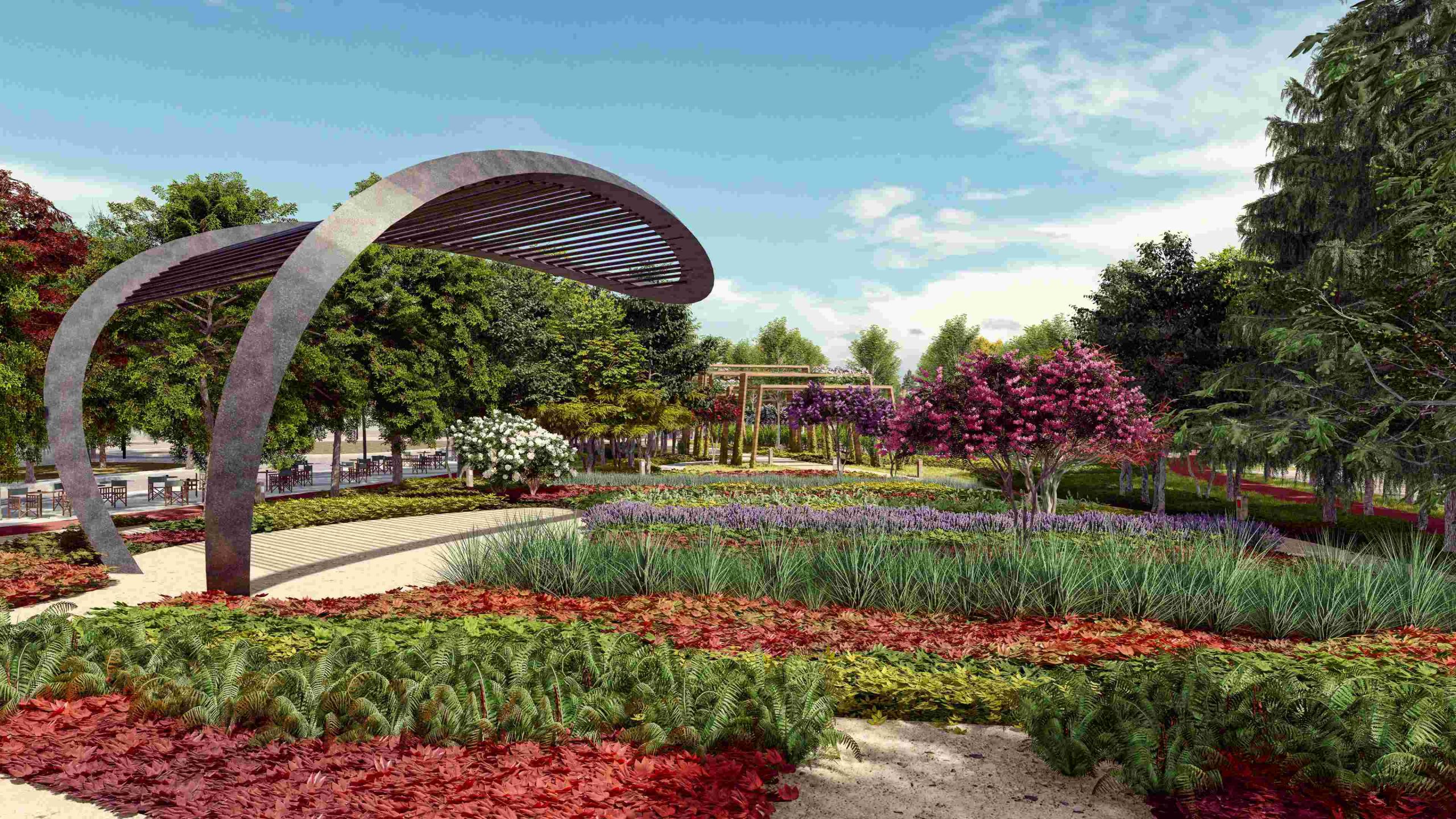
Our Process: How Schaduf Approaches Urban Landscaping
Schaduf’s design process is structured, research-driven, and collaborative. Every project is the result of a deep exploration of site context, environmental factors, and user needs — ensuring that the landscapes we deliver are both visionary and practical. The process moves through three integrated phases.
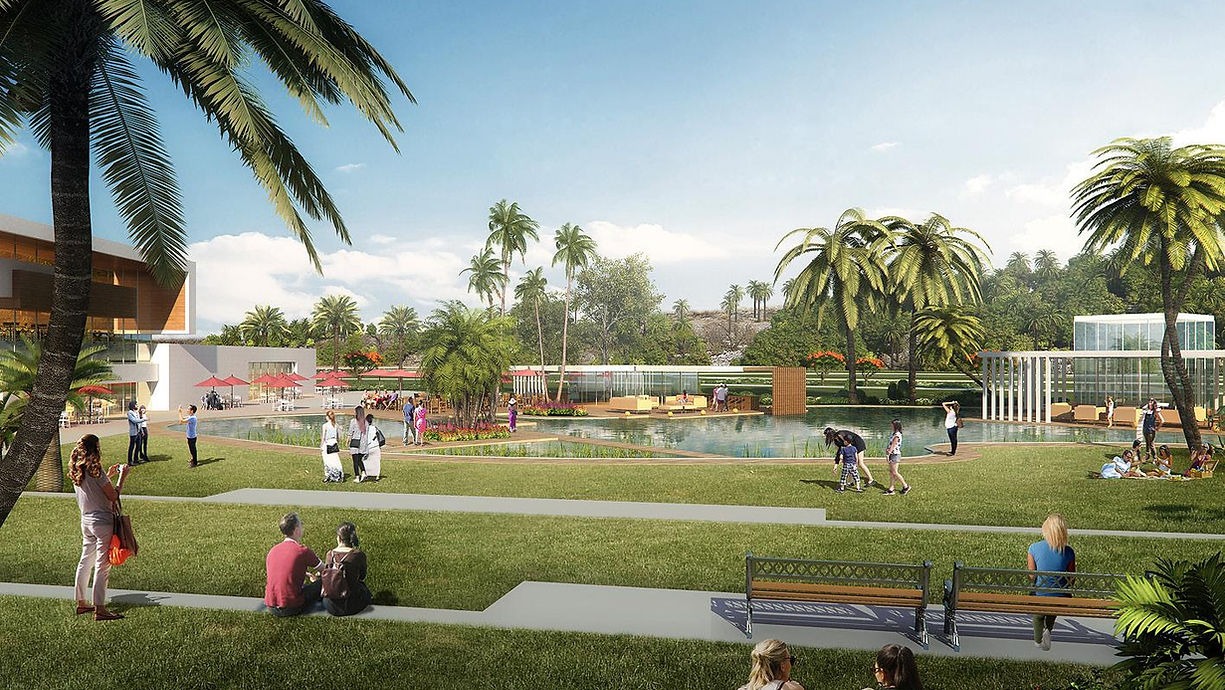
Defining the Identity of Urban Spaces Through Urban Landscaping
Schaduf’s approach is not just about designing landscapes — it is about shaping identities. We craft spaces that respond to their cultural, environmental, and social context, ensuring their relevance for generations to come.
This is what distinguishes meaningful urban landscaping from decorative green space. The American Society of Landscape Architects has identified place-making — the creation of outdoor environments that are specific, culturally resonant, and community-serving — as a central responsibility of the landscape architecture profession. Research published in One Health (2024) confirms that green space access is associated with an 11% reduction in the risk of common psychiatric disorders, reinforcing that well-designed urban landscaping is public health infrastructure, not simply an amenity.
Three Dimensions of Schaduf’s Urban Landscaping Approach
- Urbanism, Landscape and Architecture— integrating urban design and landscape architecture to create cohesive, pedestrian-friendly environments that enhance livability
- High-Performance Infrastructure— delivering resilient water management, biodiversity support, and sustainable urban ecosystems through every landscape system
- Integrated Mobility— incorporating walkability, public space accessibility, and transit-oriented design principles to foster healthier urban environments
Shaping the Future of Urban Landscaping
Schaduf’s landscape architects, urban designers, and planners are dedicated to redefining the urban fabric through sustainable and forward-thinking design. With expertise spanning master planning, urban design, and landscape architecture, the practice continues to push boundaries and set benchmarks for ecological and social sustainability in the built environment.
The evidence base for landscape-led urban development has grown substantially in recent years. A 2024 systematic review in Springer’s Sustainability Science confirmed that urban green infrastructure delivers its strongest measurable benefits — across heat mitigation, water management, air quality, and biodiversity — when planned as an integrated network from the earliest stages of a masterplan. This is precisely the approach Schaduf applies: landscape thinking embedded into the project from the beginning, not added to it at the end.
The World Bank’s work on urban nature-based solutions further confirms that landscape infrastructure, when properly integrated into urban development, delivers compounding returns across environmental performance, community health, and long-term property value — making it one of the most effective investments available in any urban development program.
By transforming visions into thoughtfully designed landscapes, Schaduf is shaping the cities of tomorrow — where nature is not a finishing detail but the organizing principle of the built environment.
Sources & Further Reading
- Landscape Institute. (2024). Planning for a Healthy Environment. landscapeinstitute.org
- UNEP. (2023). Nature-Based Solutions for Urban Climate Adaptation. unep.org
- ASLA. (2024). Climate and Biodiversity Action Plan. asla.org
- Xie, Y. and Tan, X. (2024). Green spaces exposure and psychiatric disorder risk: A meta-analysis. One Health. ScienceDirect
- Springer Nature. (2024). Benefits of Urban Green Infrastructure for Sustainable Cities. Sustainability Science.
- World Bank. (2023). Nature-Based Solutions for Urban Resilience. worldbank.org