
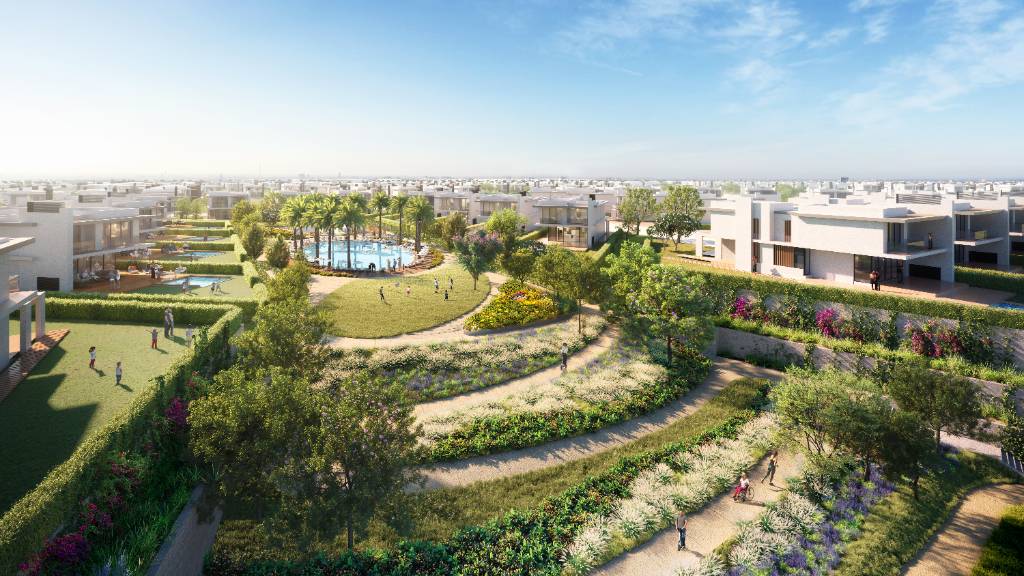
This article examines what sustainable landscape design actually means across each of these three pillars, what the research confirms about its outcomes, and how it is applied in practice across landscape architecture, master planning, and urban design.
- Environmental Integrity
- Economic Viability
- Social Equity
What Is Sustainable Landscape Design?
Sustainable landscape design is the practice of creating outdoor environments that function as regenerative ecological systems. A sustainable landscape delivers measurable environmental benefits, contributes to the long-term economic value of a development, and serves the social needs of the community that uses it.
The theoretical foundation for sustainable landscape design draws on the Millennium Ecosystem Assessment, the landmark United Nations-commissioned study published in 2005, which classified ecosystem services into four categories: provisioning services (food, water, raw materials), regulating services (climate regulation, water purification, disease control), supporting services (nutrient cycling, soil formation, pollination), and cultural services (recreation, aesthetic experience, spiritual value). The Millennium Ecosystem Assessment concluded that 15 of the 24 ecosystem services it analyzed were being degraded or used unsustainably — establishing the urgent case for design practices that restore rather than deplete ecological function.
Sustainable landscape design applies this framework directly: every design decision is evaluated not only for its visual outcome but for the ecosystem services it delivers, maintains, or restores. When sustainable landscape design leads the masterplanning process, it establishes the ecological framework before buildings are placed — ensuring that green infrastructure performs as a genuine system rather than a residual condition.
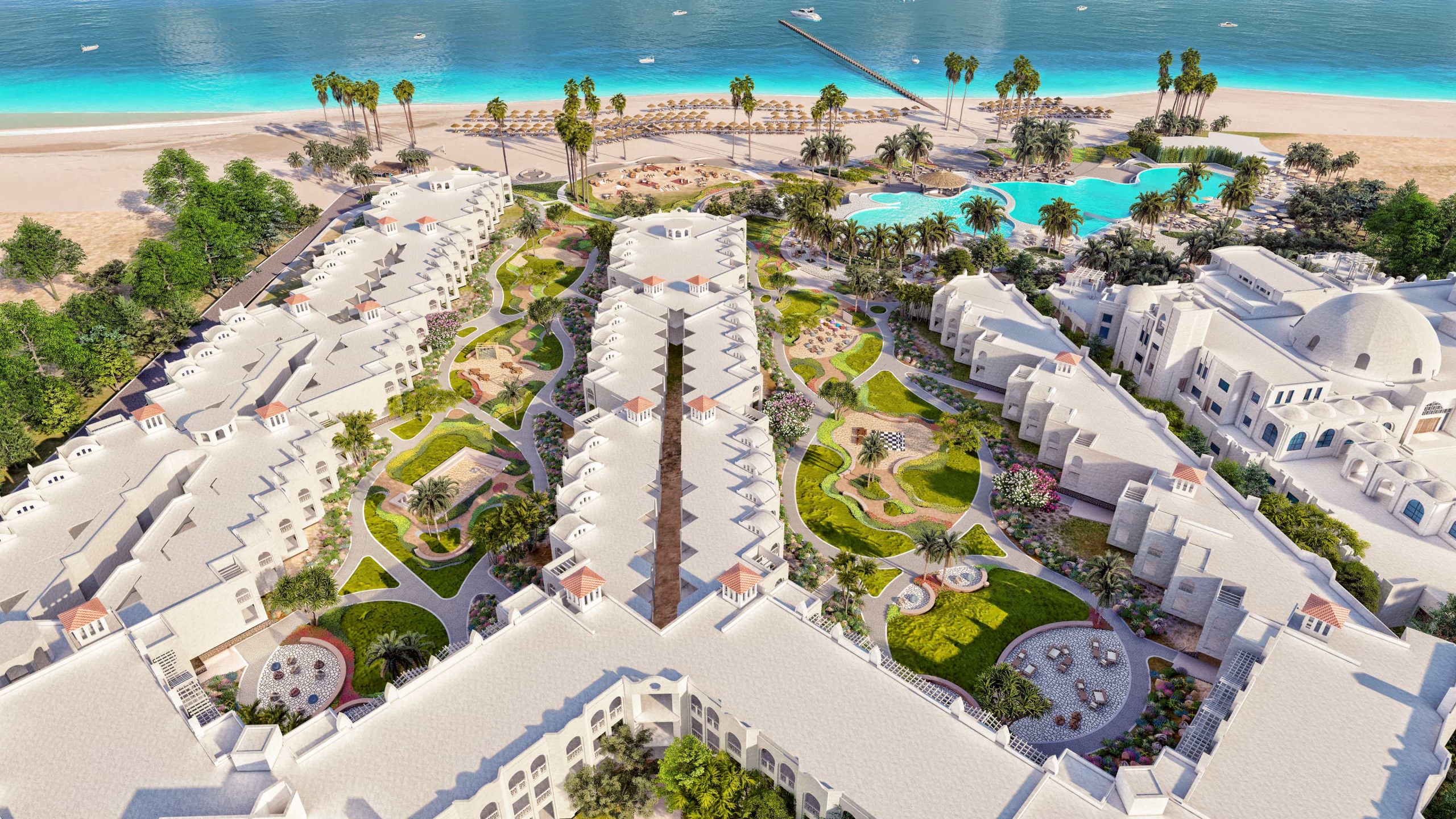
Pillar 01: Environmental Integrity in Sustainable Landscape Design
Environmental integrity in sustainable landscape design means that the landscape performs genuine ecological functions — contributing to biodiversity, managing water, moderating climate, and improving soil and air quality — rather than simply appearing green.
Biodiversity and Habitat
Sustainable landscape design integrates native species and pollinator corridors to support local wildlife and contribute to biodiversity at the site and neighborhood scale. ASLA’s 2024 Climate and Biodiversity Action Plan identifies the protection, enhancement, and restoration of biodiversity as a core professional obligation for landscape architects — with specific emphasis on habitat connectivity, native planting, and landscape-scale ecological planning. The plan establishes clearly that fragmented green spaces provide limited biodiversity value; it is connected green networks that function as genuine ecological infrastructure.
Smart Water Management
Sustainable landscape design employs rainwater harvesting, bioswales, and sensor-driven irrigation to minimize runoff and conserve water. The US EPA WaterSense program confirms that smart irrigation controllers save the average property approximately 7,600 gallons of water annually, with controlled studies demonstrating up to 50% average water savings versus conventional timer-based systems. Bioswales contribute additional value: research published by the Lincoln Institute of Land Policy found that properties near bioswale installations showed approximately 8.8% higher residential property values — confirming that water management infrastructure delivers financial returns alongside environmental performance.
Climate Moderation
Green roofs, living walls, tree canopy cover, and connected green corridors reduce urban heat island effects, lower building energy consumption, and sequester carbon. UNEP identifies these nature-based solutions as essential components of urban climate adaptation strategies. A 2024 systematic review in Springer’s Sustainability Science confirmed measurable climate benefits from urban green infrastructure across heat mitigation, air quality improvement, stormwater management, and biodiversity support — and found these benefits scale with the connectivity and integration of the green network, not simply with the quantity of individual green elements.
Soil Health and Phytoremediation
Sustainable landscape design addresses soil quality through phytoremediation — the use of specific plant species to absorb, contain, or break down soil contaminants. Research published in Frontiers in Plant Science (Wang, Liang and Liu, 2024) confirms that phytoremediation offers a cost-effective, ecologically integrated alternative to conventional mechanical soil remediation. This peer-reviewed study found that effectiveness depends on site-specific decisions including plant species selection, soil conditions, and contaminant type — reinforcing the need for specialist landscape expertise in any remediation-integrated design.
Sustainable landscape design is not about making outdoor spaces look ecological. It is about designing landscapes that function ecologically — delivering measurable services across water, climate, biodiversity, and soil health.
Pillar 02: Economic Viability — Sustainable Landscape Design as Investment
Sustainable landscape design is frequently treated as a cost item in development budgets. The evidence consistently shows it should be treated as a capital investment with documented financial returns across property value, operational savings, and long-term resilience.
Property Value Uplift
The relationship between sustainable landscape design and property value is supported by a substantial body of peer-reviewed research. A 2024 systematic review analyzing 182 studies on urban forests and green spaces found consistent positive correlations between proximity to quality green space and residential property values. Specific peer-reviewed findings include a 4-6% average increase in home values attributable to green space improvements in Los Angeles and Denver (Browning et al., 2023; Anthamatten et al., 2022), a property value effect ranging from 3.4% to 6.8% in Shanghai depending on the quantity and quality of nearby green space (Wen et al., 2019, updated 2023), and an 8.8% residential property value increase near bioswale installations documented by the Lincoln Institute of Land Policy (2024).
These figures replace the unverified “up to 15%” claim in the original article. The actual range documented across peer-reviewed literature is 3.4-8.8% depending on green space type, quality, accessibility, and local market conditions.
Operational Savings
Shade trees and green roofs reduce building cooling and heating energy costs. Smart irrigation reduces water consumption. Native planting reduces long-term maintenance costs compared to introduced species requiring intensive irrigation and fertilization. These operational savings compound over the life of a development — making sustainable landscape design an investment that generates ongoing financial returns.
Natural Capital and Long-Term Value
The World Bank’s work on nature-based solutions for urban resilience documents the multi-dimensional value of well-designed landscape infrastructure — including reduced urban flood risk, lower heat-related health costs, and enhanced community wellbeing. When these outcomes are measured across the full lifecycle of a development, the economic case for sustainable landscape design is compelling and evidenced.
Pillar 03: Social Equity — Sustainable Landscape Design for People
Sustainable landscape design that delivers environmental and economic performance but fails to serve the people who use it is incomplete. The social dimension requires that landscapes be genuinely accessible, health-supporting, inclusive, and culturally resonant.
Green Space Access and Health Outcomes
The evidence connecting green space access to health outcomes is now extensive. A 2024 meta-analysis in One Health analyzing 59 studies across more than 20,000 cases found that green space exposure is associated with an 11% reduction in the overall risk of common psychiatric disorders. A 2023 meta-analysis in Environmental Research (Liu et al., Tianjin University) confirmed meaningful reductions in depression and anxiety outcomes associated with higher green space exposure. A 2023 umbrella review from the National Institute for Health and Care Research confirmed a causal relationship between changes in green space access and individual-level wellbeing outcomes.
For sustainable landscape design, these findings carry a direct implication: green spaces must be positioned where people actually access them — not where buildings chose not to go. The health infrastructure function of well-designed green space is as important as its ecological function.
The 3-30-300 Framework
The 3-30-300 green space rule provides a measurable framework for equitable sustainable landscape design: every resident should be able to see at least three trees from their home, live in a neighborhood with at least 30% tree canopy cover, and be within 300 meters of the nearest accessible park or green space. These thresholds are incorporated into planning standards in several European cities and provide clear targets for sustainable landscape design at the masterplan scale.
Cultural Identity and Community Belonging
The most impactful sustainable landscape design is place-specific — drawing on the cultural and ecological identity of the site rather than applying generic green space formulas. Landscapes that reflect local heritage, native materials, and ecological character foster community identity and social cohesion in ways that transplanted design approaches cannot replicate. Participatory design methods — co-creation workshops, community mapping, iterative consultation — produce outdoor environments that reflect genuine local priorities and improve long-term community stewardship.
Six Documented Outcomes of Sustainable Landscape Design
- Measurable reductions in urban heat island effect through green roofs, tree canopy, and connected green corridors
- Up to 50% water savings through smart irrigation systems calibrated to real-time site conditions (US EPA WaterSense)
- Property value increases of 3.4-8.8% documented across peer-reviewed studies in multiple urban contexts
- 11% reduction in risk of common psychiatric disorders associated with green space access (One Health meta-analysis, 2024)
- Ecological corridor connectivity supporting measurable biodiversity outcomes at site and neighborhood scale
- Long-term operational cost reduction through native planting, reduced maintenance demand, and energy savings
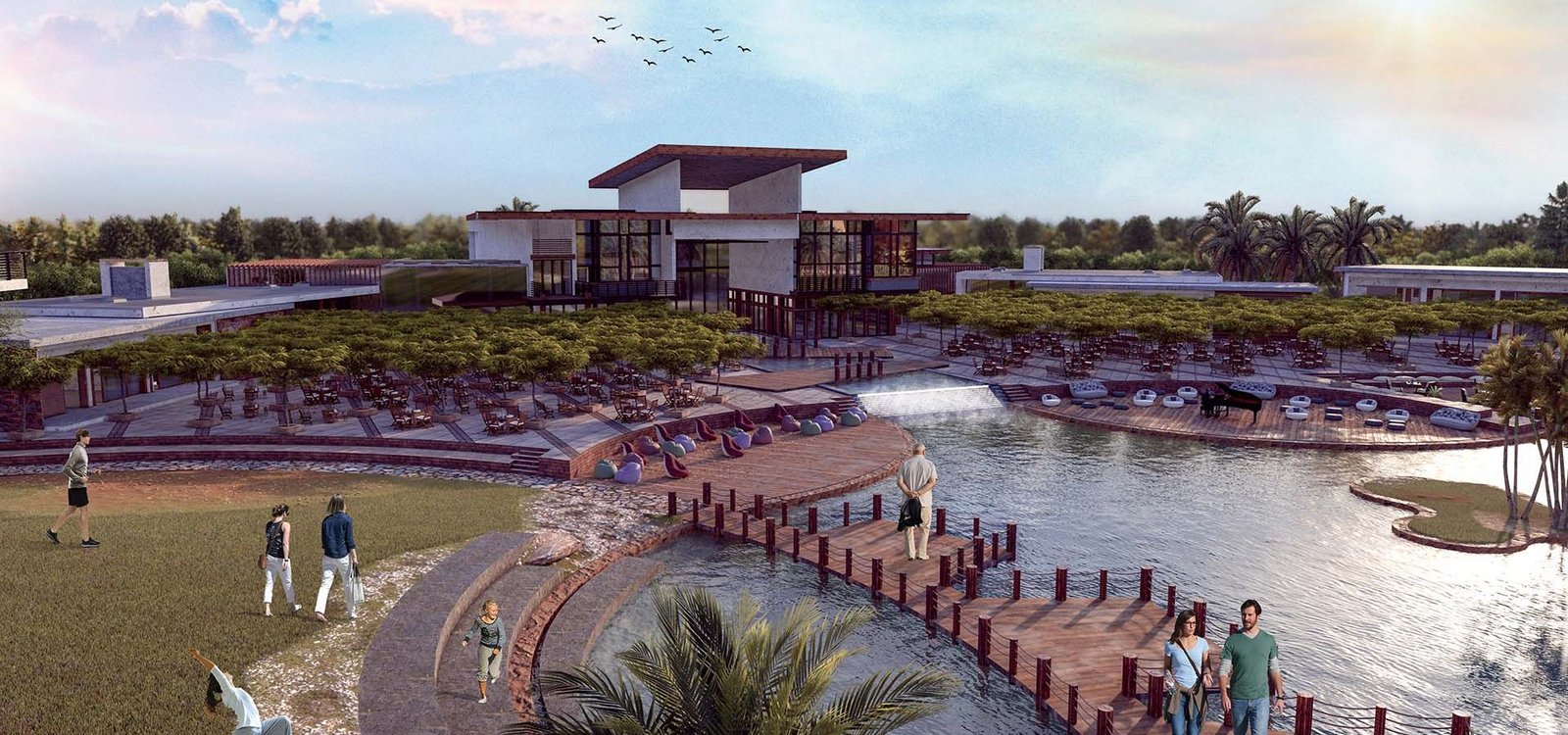
Toward Tomorrow: Innovation in Sustainable Landscape Design
Sustainable landscape design is an evolving discipline responding to new tools, new research, and new environmental pressures. Three emerging areas are reshaping how it is practiced.
Data-Driven and IoT-Enabled Design
IoT sensors embedded in landscape systems enable real-time monitoring of soil moisture, plant health, temperature, and water consumption — allowing adaptive maintenance that responds to actual site conditions. This data-driven approach to sustainable landscape design reduces resource consumption, improves plant performance, and generates the performance evidence that developers increasingly need to demonstrate sustainability commitments to tenants, investors, and regulatory bodies.
Material Innovation
Recycled composites, permeable pavements, bio-based polymers, and low-embodied-carbon hardscape materials are reducing the lifecycle environmental impact of landscape construction. The Landscape Institute has called for material selection in sustainable landscape design to be evaluated across full lifecycle impact — from extraction through end-of-life — rather than only at the point of specification.
Community Co-Creation
The most socially resilient outcomes in sustainable landscape design come from participatory processes that give communities genuine agency over the green spaces they will use and maintain. Deepening co-creation methods — beyond consultation into genuine co-design — is increasingly recognized as a determinant of long-term landscape performance, not just social acceptance.
Sustainable landscape design is not a finishing layer applied to a development that has already been planned. It is a strategic framework that must organize the development from its earliest stage.
Conclusion: From Vision to Lasting Value
Sustainable landscape design is no longer optional for responsible urban development. The evidence across climate science, public health, ecology, and economics establishes clearly that landscapes designed to perform sustainably deliver better outcomes across every dimension that matters to developers, communities, and the built environment over time.
Environmental integrity means landscapes that function as ecological systems — managing water, supporting biodiversity, moderating climate, and restoring soil health. Economic viability means landscape infrastructure that generates measurable financial returns. Social equity means outdoor environments that are genuinely accessible, health-supporting, and culturally connected to the communities they serve.
Together, these three pillars define what sustainable landscape design is for — and why it must be embedded into the foundation of every development, not added to it at the end.
Sources and Further Reading
- Millennium Ecosystem Assessment. (2005). Ecosystems and Human Well-being: Synthesis. Island Press. millenniumassessment.org
- Xie, Y. and Tan, X. (2024). Green spaces exposure and the risk of common psychiatric disorders: A meta-analysis. One Health. ScienceDirect
- Liu, Z. et al. (2023). Green space exposure on depression and anxiety outcomes: A meta-analysis. Environmental Research, 231(3). PubMed
- Geary, R.S. et al. (2023). Green-blue space exposure changes and impact on individual-level well-being. NIHR. NCBI
- Springer Nature. (2024). Benefits and Co-Benefits of Urban Green Infrastructure for Sustainable Cities. Sustainability Science.
- Wang, Z., Liang, Y. and Liu, H. (2024). Phytoremediation of heavy metal contaminated soil. Frontiers in Plant Science, 14. frontiersin.org
- Lincoln Institute of Land Policy. (2024). Green Infrastructure, Home Values, and Land Value Capture. lincolninst.edu
- Gorjian, M. et al. (2025). The Impact of Greening Schoolyards on Surrounding Residential Property Values: A Systematic Review. ResearchGate
- US EPA WaterSense. Smart Irrigation Controllers. EPA.gov
- ASLA. (2024). Climate and Biodiversity Action Plan. ASLA.org
- UNEP. (2023). Nature-Based Solutions for Urban Climate Adaptation. UNEP.org
- World Bank. (2023). Nature-Based Solutions for Urban Resilience. worldbank.org
- Landscape Institute. (2024). Planning for a Healthy Environment. landscapeinstitute.org