
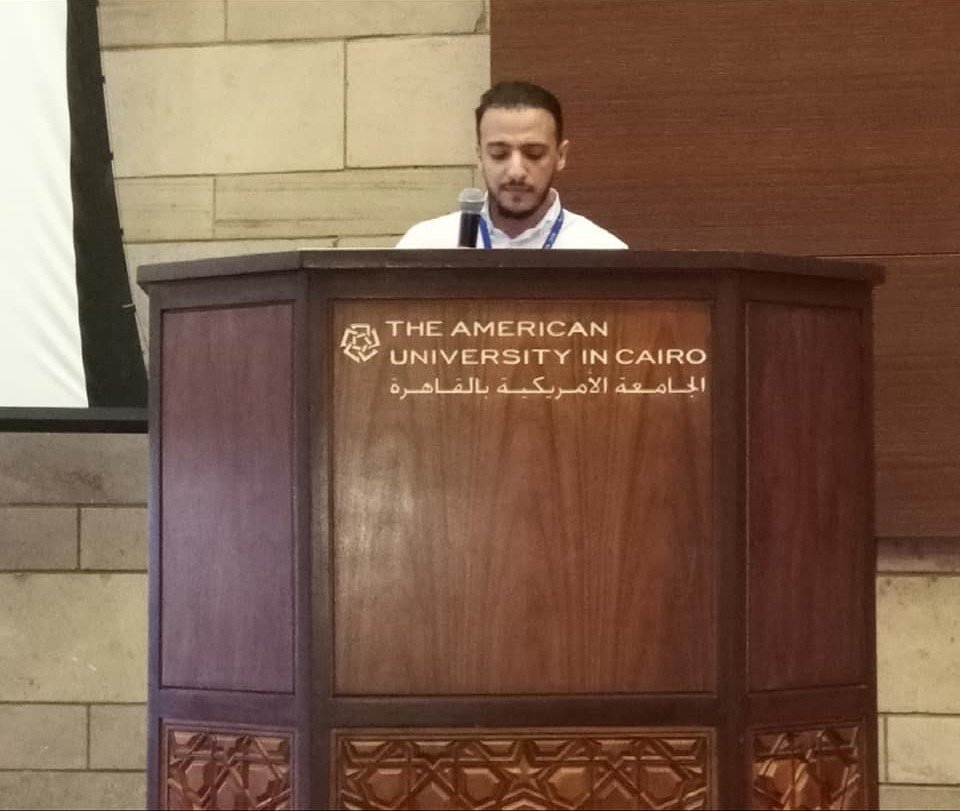
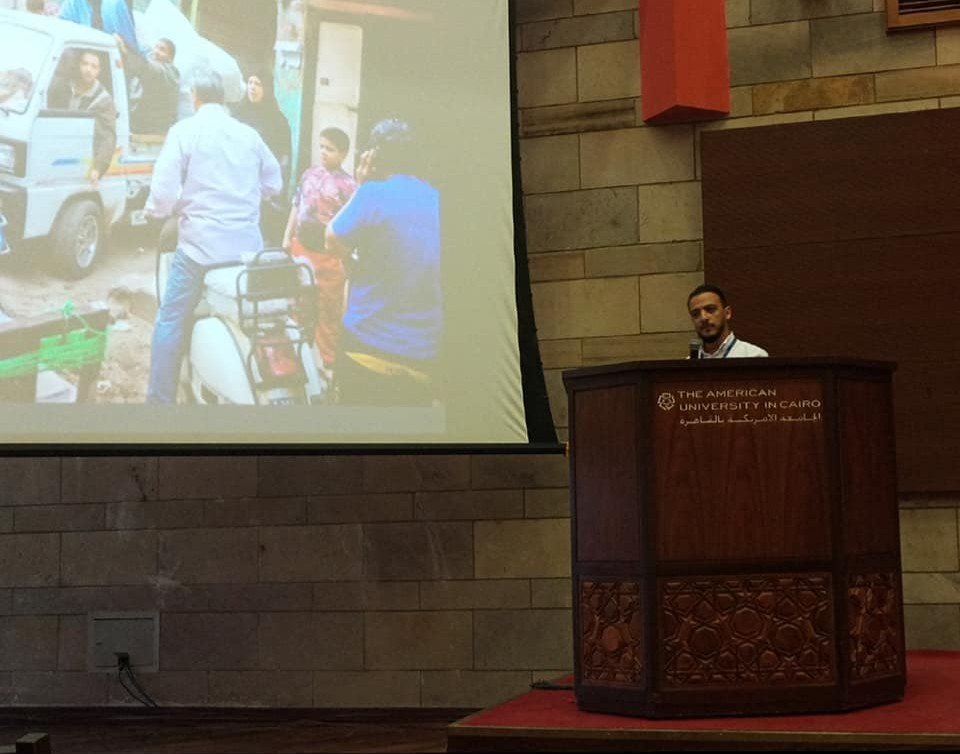
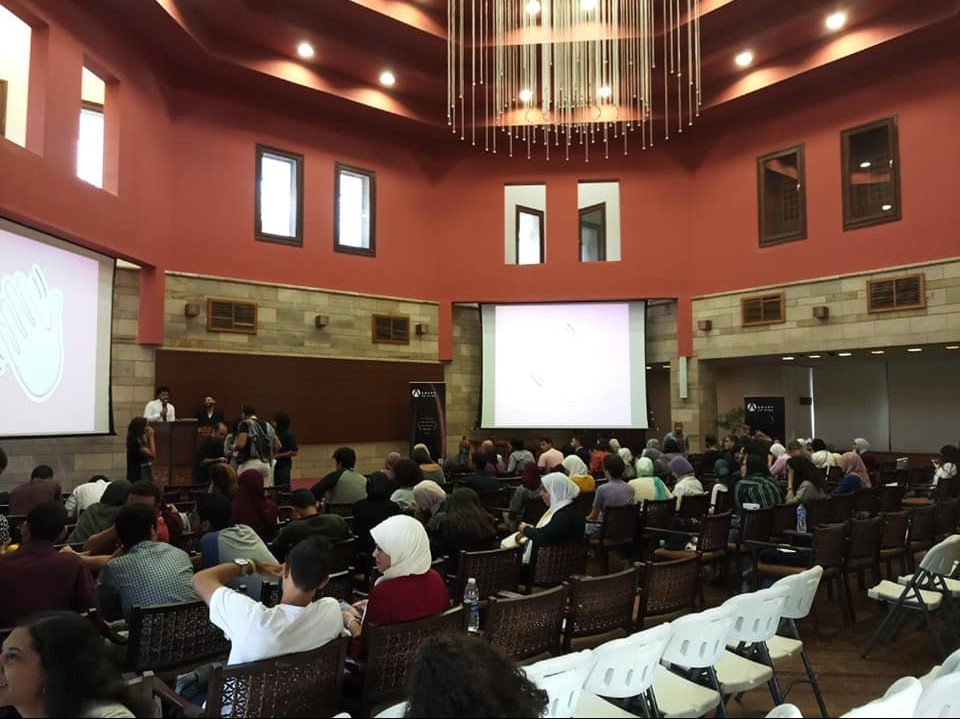
On November 9, 2018, the American University in Cairo (AUC) hosted Khaled M. Abdelgawad, CEO of Schaduf Landscape Architects, for a landmark lecture titled “Green Architecture and Sustainable Development.” The event took place in the glorious Moataz AlAlfi Hall, addressing an audience of over 150 students preparing to embark on their careers in architecture and related fields.
The core idea behind the lecture was to inspire and equip the next generation, with the exciting prospect of having these students lead the sustainable development industry in the near future.


Comprehensive Landscape Standards
Similar to his engagement at GUC, Mr. Abdelgawad provided a thorough overview of the principles of professional landscape design and construction documentation, ensuring the students understood the technical complexity of building sustainable environments. This covered:
- Design Disciplines: A detailed examination of technical requirements for hardscape, planting, grading, irrigation, and lighting design.
- Design Stages: Guiding students through the methodological phases of a project, from conceptualization and schematic design to detailed construction drawings and final site supervision.
Illustrative Case Studies
A significant addition to the AUC presentation was the integration of three high-profile case studies, which provided tangible examples of sustainable development in practice across the region:
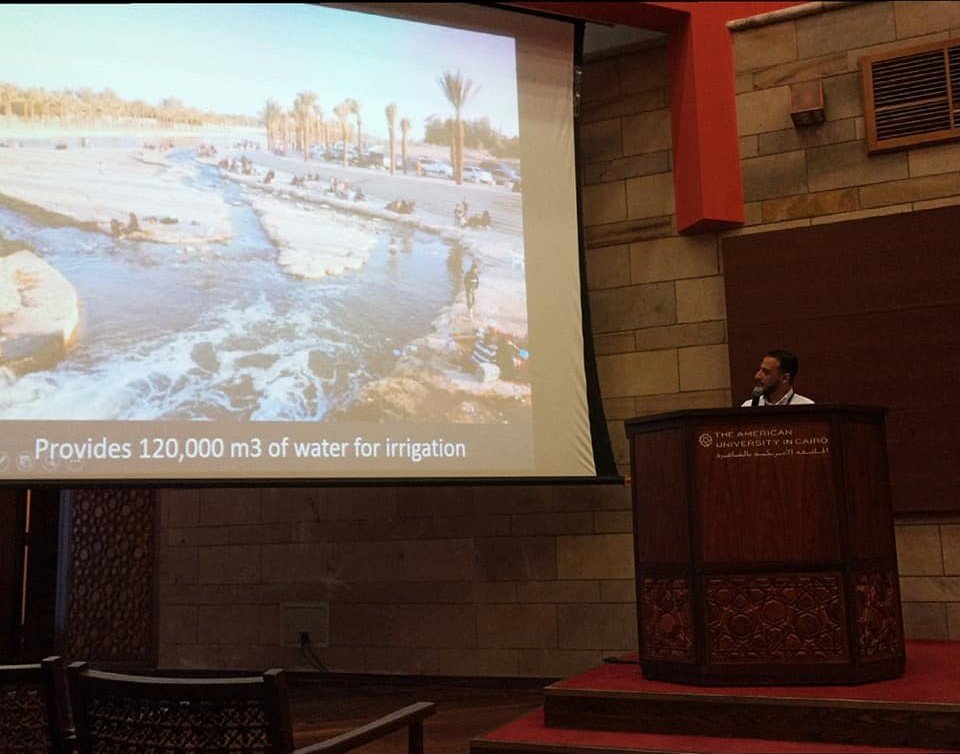
- Wadi Hanifa Wetlands Project (Saudi Arabia): This case study illustrated large-scale ecological restoration and the transformation of a major valley system into a functional, naturalized urban asset.
- Lazulli Hotel Marsa Alam (Egypt): This project demonstrated how sustainable design principles can be integrated into the hospitality and resort sector, focusing on water conservation and minimal environmental impact in a coastal setting.
- Project Adventure Park in Jeddah (KSA): This example showcased the innovative use of sustainable design in creating large-scale public recreational spaces and adventure parks that harmonize with the natural environment.
By sharing these diverse, regional examples, Mr. Abdelgawad effectively linked the theoretical standards of landscape architecture to the real-world challenges and successes of “green architecture,” reinforcing the necessity of sustainable development in the MENA region. The lecture served as a powerful motivator for students to become future leaders dedicated to environmentally responsible design.